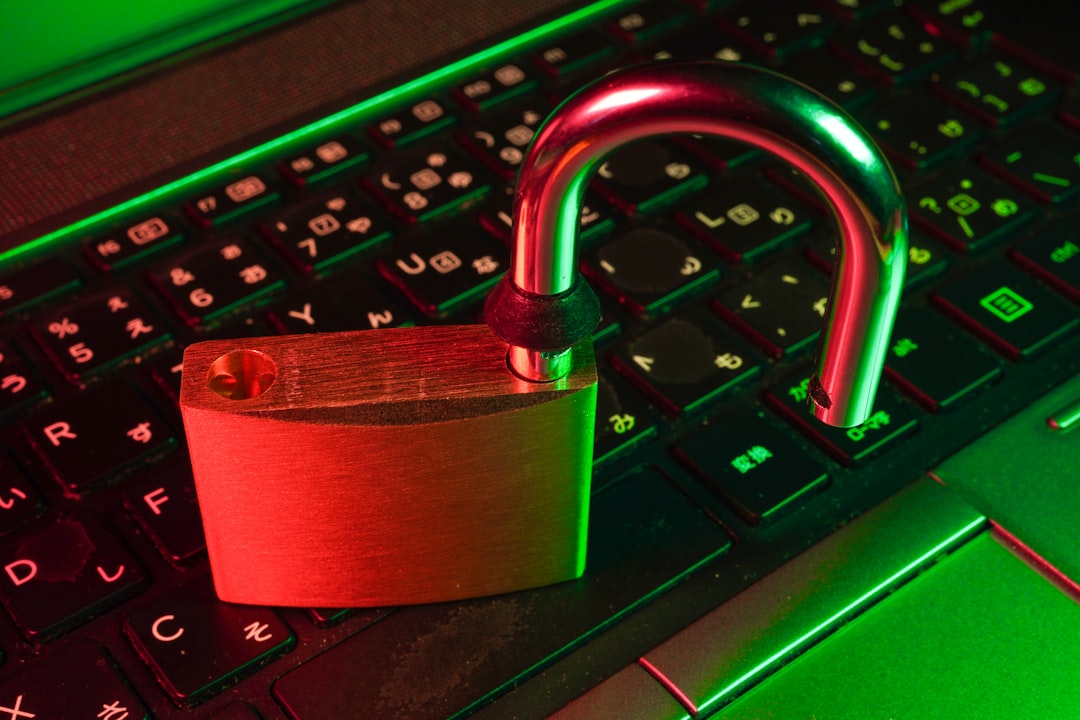
In an era where journalism is increasingly under threat from authoritarian regimes, the intersection of technology and reporting integrity has never been more critical. Recent verdicts against journalists worldwide underscore a disturbing trend: governments are leveraging legal systems and digital controls to suppress free press and dissenting voices. Against this hostile backdrop, technology offers both challenges and powerful tools to safeguard investigative journalism, fortify digital safety, and preserve the truth. This definitive guide explores essential journalism tools, examines how authoritarian backlash manifests in legal and digital realms, and provides step-by-step approaches to employing protection tech that secures reporting integrity even in the most hostile environments.
1. The Landscape: Understanding Authoritarian Backlash Against Journalists
1.1 Recent Global Trends and Verdicts
Authoritarian governments systematically target journalists through arrests, censorship, and surveillance, seeking to silence investigative exposure of corruption and human rights abuses. High-profile verdicts have led to imprisonment or exile of reporters, chilling freedom of expression. This evolving climate demands media professionals understand the mechanisms of state repression to better prepare defense frameworks. For example, digital shutdowns and content filtering have become common, a scenario studied in our analysis of social media outages revealing how information flow is throttled during critical moments.
1.2 Implications for Reporting Integrity
When journalists face repression, misinformation and propaganda fill the void, diminishing public trust and weakening accountability. The integrity of reporting depends not only on editorial judgment but on technical resilience against these pressures. Compromised communication channels, compromised sources, and coerced self-censorship threaten journalistic standards. Understanding these risks is the first step toward adopting robust protective measures.
1.3 Typology of Threats: Digital and Physical
Threats to journalists are multidimensional. Physically, they confront intimidation and violence; digitally, they battle hacking, surveillance, and online harassment. Increasingly, authoritarian actors exploit media tools designed for public engagement to track and discredit sources. This necessitates a layered defense approach encompassing secure communications, anonymization, and data integrity verification.
2. Journalism Tools for Secure and Transparent Reporting
2.1 End-to-End Encryption and Secure Messaging
Encrypted messaging apps like Signal and Wire have become indispensable in maintaining confidential communication between journalists and sources. They provide end-to-end encryption ensuring messages are unreadable to intermediaries, a fundamental guard against surveillance. Journalists must rigorously vet these tools for their open-source verification and resistance to backdoors. Our extensive coverage on VPNs and secure networks explains how combining VPNs with encrypted apps enhances privacy.
2.2 Decentralized Content Storage and Publication
Platforms leveraging blockchain and decentralized web technologies are emerging as critical alternatives for publishing sensitive reports. By distributing content across multiple nodes, these platforms reduce single points of failure or censorship. Blockchain-based timestamping also authenticates the originality and timing of investigative pieces, preserving digital safety against tampering or denial. Tools like IPFS (InterPlanetary File System) enable resilient content delivery even when centralized platforms are blocked.
2.3 Tools for Source Protection and Anonymity
Protecting whistleblowers and sensitive sources is paramount. Technologies such as SecureDrop and GlobaLeaks provide submission portals for tips that preserve anonymity. They operate on principles of encrypted, metadata-minimized communications that thwart surveillance. Learning practical deployment and maintenance of these tools by newsrooms is essential, a topic elaborated in our deep dive into leveraging AI and advanced tech for secure information flow.
3. Investigative Journalism in the Age of Digital Oppression
3.1 Researching Amidst Information Suppression
When access to data and sources is restricted or monitored, investigative journalists must use digital sleuthing tools to gather intelligence clandestinely. Open-source intelligence (OSINT) techniques, including metadata analysis, geolocation of images, and social network mapping, are invaluable. Combining these with privacy tools enables reporters to circumvent restrictions imposed by authoritarian actors. Our article on narrative innovation provides insight into adapting storytelling when data flow is hostile.
3.2 Verifying Digital Evidence in Hostile Environments
With growing misinformation, verifying digital content is critical to reporting integrity. Tools such as InVID and Amnesty’s Citizen Evidence Lab allow journalists to authenticate videos and images, ensuring evidence withstands legal scrutiny. Given risks of archives being destroyed or doctored, implementing robust tamper-evident audit trails aids in defending investigations against authoritarian legal challenges.
3.3 Collaborations and Secure Networks
International collaborations provide protective strength; journalists join networks with shared security protocols and legal support. These alliances facilitate cross-border investigations and safe publication strategies. Platforms fostering trusted collaboration and tech sharing are growing, as highlighted in our coverage of tech role expansions in diverse industries (AI impact on exploration). Drawing parallels can deepen innovation for journalist safety.
4. Protection Tech: A Layered Defense Strategy
4.1 Multi-Factor Authentication and Identity Protection
Account compromise is a frequent vector for authoritarian repression. Implementing stringent multi-factor authentication (MFA), hardware security keys (e.g., YubiKey), and regular credential audits is non-negotiable. Our discussions on best VPN deals complement this strategy, emphasizing encrypted access to digital assets.
4.2 Anti-Surveillance and Network Obfuscation Tools
Network monitoring tools and DPI (deep packet inspection) are employed by authoritarian regimes to track journalistic activities. Tech such as Tor browser, obfs4 proxies, and VPN obfuscation techniques complicate detection and blocking attempts, maintaining operational security. Training journalists in these technologies transforms vulnerability into resilience.
4.3 Hardware Security and Data Encryption at Rest
Journalists must safeguard physical devices through full disk encryption and secure hardware storage. Threat actors may physically seize devices; encrypted volumes using standards like VeraCrypt help thwart data extraction. Combining this with secure backup solutions ensures data availability even if devices are confiscated or destroyed.
5. Digital Safety Policies and Incident Response Protocols
5.1 Developing Organizational Cybersecurity Frameworks
Institutions hosting journalists should prioritize cybersecurity tailored to the unique threats of authoritarian backlash. Frameworks based on NIST guidelines adapted to media environments provide comprehensive risk management, encompassing personnel training, incident detection, and secure communication flows.
5.2 Incident Response: When Digital Attacks Occur
Preparing for breaches or take-down attempts requires clear, rehearsed incident response plans. These include documented steps to isolate compromised servers, notify stakeholders, preserve evidence, and trigger legal or advocacy interventions. The playbooks from major cybersecurity firms offer templates applicable to newsroom contexts.
5.3 User Training and Awareness
Technology is only effective when properly used. Regular training in phishing recognition, secure password practices, and cautious social media use mitigates risks. Journals should deploy continuous education programs aligned with our findings on time management under pressure, highlighting human factors in security.
6. Tech Innovations Shaping the Future of Media Tools
6.1 AI and Machine Learning for Threat Detection
Emerging AI tools analyze communication patterns and metadata to flag suspicious activity or phishing campaigns targeting journalists. Advances in AI-driven monitoring, paralleling insights from AI restrictions research, can help anticipate and mitigate authoritarian digital campaigns.
6.2 Secure Distributed Ledger Technologies
Beyond decentralized publishing, blockchain offers verifiable audit trails — invaluable for safeguarding journalistic archives and protecting intellectual property. Journalists and media houses investing in these innovations gain a technical edge against authoritarian content manipulation attempts.
6.3 Real-Time Alerting Systems
Technologies that provide early warning of threats—such as domain takedown notices, digital attacks, or legal summons—allow preemptive action. For example, alerting systems monitoring platform compliance can help journalists avoid being caught blindsided, as detailed in our guide on real-time protection tech.
7. Balancing Transparency and Security in Reporting
7.1 Ethical Considerations
While protection tech guards sources and reporters, it must be balanced against transparency obligations to audiences. Ethical frameworks should guide the use of encryption and anonymity to maintain public trust without compromising safety. Such frameworks often reference standards discussed in media activism.
7.2 Building Audience Digital Literacy
Empowering readers with knowledge about digital safety, misinformation, and authoritarian tactics strengthens societal resilience. Media organizations can create content that educates on these topics, building informed audiences supportive of journalistic freedoms.
7.3 Transparency in Tech Use
Open disclosure of the tools used and the rationale behind protective measures fosters credibility. Being upfront about security protocols while protecting sensitive details enhances the accountability of the press.
8. Case Studies: Technology Empowering Journalists Under Fire
8.1 Latin America: Secure Source Networks Amid Crackdowns
In countries facing authoritarian resurgence, journalists have utilized encrypted mesh networks and decentralized messaging platforms to coordinate investigations safely. Their experiences reveal lessons in tool adaptability and trust-building within hostile ecosystems.
8.2 Eastern Europe: Blockchain for Evidence Preservation
Journalists documenting conflict zones have successfully used blockchain timestamping to preserve evidence of war crimes, ensuring legal viability despite attempts at suppression or denial. This practice illustrates the power of tech for asserting reporting integrity under siege.
8.3 Asia-Pacific: Digital Safety Training and Incident Response
Newsrooms have implemented comprehensive cybersecurity training integrated with incident response exercises, significantly reducing digital attack success rates. These programs underscore the human-technology synergy critical in protection strategies.
9. Building a Sustainable Tech-Enabled Journalism Ecosystem
9.1 Funding and Resource Mobilization
Investment in protection tech and training often lacks in underfunded media environments vulnerable to authoritarian backlash. Partnerships with NGOs, international bodies, and tech firms offset costs, supporting sustainable ecosystem development.
9.2 Open Source and Community-Driven Solutions
Encouraging open-source tool development leverages collective intelligence, transparency, and adaptability. The collaborative model proves fruitful in evolving rapidly responsive protections.
9.3 Continuous Research and Policy Advocacy
Informing policy with data-driven research on tech effectiveness and authoritarian tactics drives legal and regulatory progress supporting free press. Our resources like policy balance discussions provide valuable context for this advocacy.
Comparison Table: Key Security Tools for Journalism Under Authoritarian Pressure
| Tool Category | Example Tools | Main Benefits | Limitations | Recommended Use Case |
|---|---|---|---|---|
| Encrypted Messaging | Signal, Wire | End-to-end encryption, open source | Requires active user adoption; metadata leakage possible | Source-journalist communication |
| Secure Submission Portals | SecureDrop, GlobaLeaks | Anonymous whistleblower submissions | Setup complexity; requires infrastructure | Collecting sensitive tips |
| VPN & Network Obfuscation | NordVPN, Tor, obfs4 | Conceals IP and traffic, resists censorship | Speed trade-offs; some networks block Tor | Access restricted content safely |
| Decentralized Storage & Publishing | IPFS, Blockchain timestamping | Censorship resistance, tamper-proof records | Relatively new tech; user awareness needed | Publishing critical investigations |
| Hardware Security | YubiKey, VeraCrypt | Strong authentication, data encryption | Potential loss of keys; user training required | Device and data protection |
Conclusion: Taking Control of Tech to Defend Journalism
Journalists confronting authoritarian backlash must embrace technology not just as a tool, but as a critical enabler of freedom of expression and truth. By proactively adopting secure communication channels, robust data protection, and cutting-edge verification methods, they can maintain reporting integrity in hostile conditions and protect vulnerable sources. This guide has provided an authoritative roadmap, linking practical technology solutions with strategic policies to empower media in the digital age. For ongoing learning, integrate these lessons with tactical guides like our pieces on protection tech and AI-enabled compliance shifts.
Frequently Asked Questions
What are the most effective encryption tools for journalists?
Signal and Wire are leading secure messaging apps with end-to-end encryption trusted by the journalistic community for confidential communication.
How can journalists safely receive anonymous tips?
Platforms like SecureDrop and GlobaLeaks offer encrypted, anonymous portals designed to protect whistleblowers' identities.
What role does blockchain play in protecting journalism?
Blockchain provides immutable timestamping and decentralized publication platforms that safeguard content against censorship and tampering.
How important is digital safety training in hostile environments?
Training is critical; most security breaches result from human error. Awareness programs empower journalists to recognize threats and apply protective tools effectively.
Are there legal considerations when using protection tech?
Yes, some regimes criminalize encryption or VPN use. Journalists should consult legal experts and understand local regulations before deploying certain tools.
Related Reading
- Leveraging AI Voice Agents in Language Tutoring - Lessons applicable to AI’s role in secure communications.
- Top VPN Deals You Can't Miss This January - Comprehensive guide to VPNs critical for journalistic anonymity.
- Political Cartoons and Consumer Culture - Understanding media influence amidst political climates.
- The Implications of Grok’s AI Restrictions in X - Insight on regulatory shifts affecting content moderation.
- Analyzing the Impact of Social Media Outages on Stock Performance - How digital outages shape information flow.