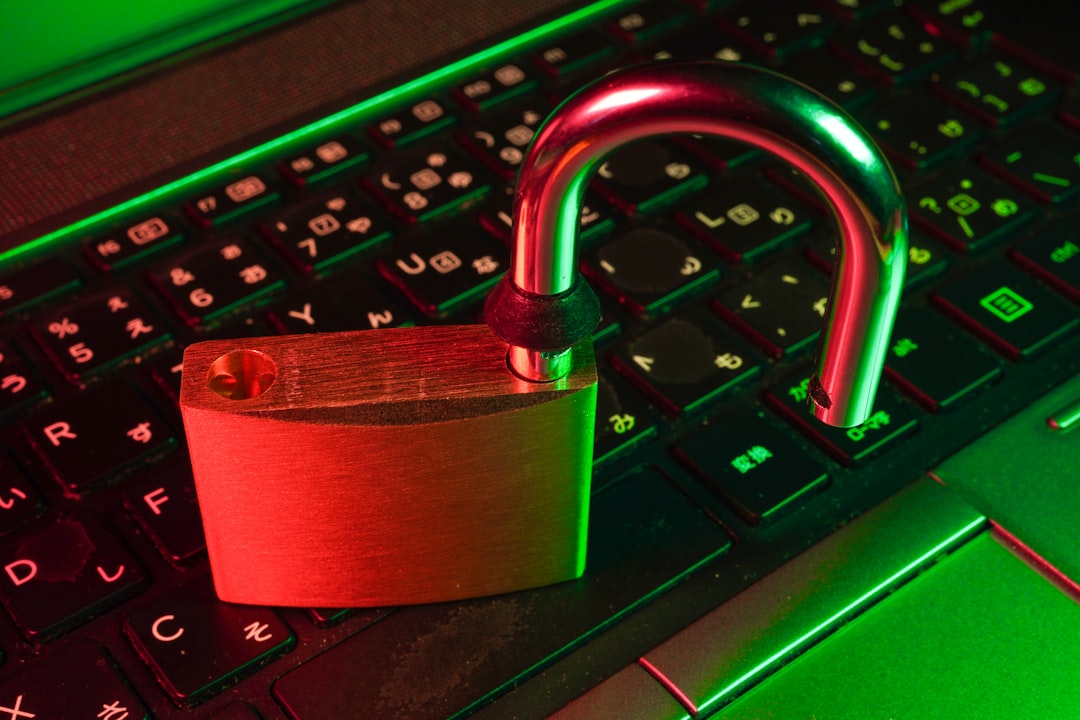
In an era dominated by information flows and digital footprints, the intersection of media security and data privacy has become starkly apparent through high-profile celebrity legal battles. These public cases not only captivate audiences but also expose vulnerabilities endemic to how personal data is handled, leaked, or exploited by major publications and media houses. For technology professionals, developers, and IT administrators, these incidents provide critical insights into risk management and remediation strategies necessary to safeguard sensitive information in an increasingly hostile cyber and regulatory environment.
1. The Anatomy of Celebrity Legal Battles: Unveiling Risks to Personal Data
1.1 High-Profile Cases That Shook Media Security
Major lawsuits involving celebrities, such as the scrutiny over unauthorized data leaks, paparazzi hacking, and defamatory publications, reveal systemic security weaknesses in media ecosystems. For instance, the data breaches tied to tabloid exposés or unauthorized phone hacking demonstrate not only negligence but also intentional exploitation. Each case highlights how personal data can be compromised through inadequate security controls or abuse of privileged access by media insiders.
1.2 How Media Outlets Handle Sensitive Information
Media companies often collect, aggregate, and store vast amounts of personally identifiable information (PII) and sensitive content. Unfortunately, many do so without robust security frameworks or fail to implement effective data governance policies. The lack of encryption, poor access control, and insufficient auditing mechanisms frequently result in escalated exposure risk, as was painfully evident in numerous celebrity lawsuits relating to mishandling of forensic evidence.
1.3 Legal Implications of Data Leaks in Media
Legal battles serve to underscore the repercussions for entities failing to protect personal data adequately. Privacy laws such as GDPR and CCPA are increasingly invoked to enforce accountability, compelling media organizations to adopt tighter security measures. High-profile celebrity suits often prompt regulatory investigations, resulting in fines and harm to corporate reputations. Tech teams must therefore understand the evolving legal landscape to integrate compliance with security practices.
2. Key Vulnerabilities in Media Security Highlighted by Celebrity Cases
2.1 Insider Threats and Unauthorized Access
One of the most prominent vulnerabilities is the insider threat. Media staff or contractors with access to confidential data can become vectors for leaks or misuse, intentionally or accidentally. Celebrities’ legal actions often center around data obtained through covert or unauthorized means, emphasizing the need for stringent internal controls and behavioral monitoring. Deploying anomaly detection combined with role-based access control (RBAC) can mitigate these risks.
2.2 Ineffective Data Classification and Handling
Failure to properly classify and segregate data leads to unnecessary exposure. Sensitive data related to celebrities’ private lives must be handled under heightened protective schemes. Numerous case studies reveal that indiscriminate handling of such information by media outlets elevates the risk of unauthorized disclosure. Implementing clear classification policies ensures that remediation strategies like encryption, access restrictions, and secure logging are enforced where most needed.
2.3 Third-Party and Supply Chain Risks
Media production involves multiple third parties — digital service providers, freelance journalists, marketing agencies — all of whom may become weak links in the security chain. Celebrity litigation has highlighted incidents where third-party misconfigurations or compromised credentials allowed breaches. Continuous third-party risk assessment and supply chain security audits are thus indispensable components of a comprehensive media security posture.
3. Lessons Learned: Remediation and Prevention Strategies for Tech Professionals
3.1 Designing a Proactive Media Security Framework
Building a security framework tailored to media environments necessitates layered defenses including data encryption at rest and in transit, strict access protocols, and continuous security awareness training for media staff. Leveraging insights from high-profile cases, organizations can prioritize controls protecting sensitive information from accidental or deliberate disclosure. For detailed security framework design, consider exploring safeguarding digital identities amidst legacy digital infrastructure.
3.2 Implementing Real-Time Monitoring and Incident Response
Real-time alerting mechanisms are crucial to detect data leak attempts or suspicious media access patterns promptly. Utilizing SIEM tools and user behavior analytics can flag anomalies indicative of a breach. Moreover, delighting media security through automation expedites response times, facilitating containment and remediation. For guidance on robust incident response, see the lessons in process risk and remediation dynamics.
3.3 Legal and Policy Collaboration
Tech teams must collaborate closely with legal and compliance to ensure media security protocols align with privacy laws and internal policy. Understanding the appeal and redress processes involved in content takedown and data remediation helps streamline resolution in event of a breach. Clear documentation and preservation of forensic evidence ensure stronger legal positioning during disputes.
4. Data Protection Technologies Empowering Media Security
4.1 Encryption and Tokenization
Encryption remains the foundation of protecting sensitive data whether stored or transmitted. Tokenization can supplement by replacing highly sensitive fields with surrogate values, limiting exposure. Media organizations have started adopting advanced cryptographic approaches as a response to celebrity lawsuits spotlighting leakage incidents.
4.2 Secure Access Management and Zero Trust
Zero Trust architecture — which assumes no implicit trust within networks or users — is increasingly adopted in media environments to contain risk. Multi-factor authentication (MFA), strict identity verification, and continuous risk evaluation policies gatekeep privileged media content effectively, curtailing abuse by insiders or external attackers.
4.3 Data Loss Prevention (DLP) Systems
DLP tools monitor data flows and block unauthorized transfers or uploads that could leak private information. Custom rules suited to media types, along with endpoint controls, prevent accidental or malicious exfiltration. Such capabilities would have mitigated many leaks that sparked celebrity litigation, demonstrating their necessity.
5. Risk Management Best Practices from Celebrity Litigation
5.1 Comprehensive Risk Assessment Including Public Relations
Beyond technical risk, legal battles emphasize managing reputational fallout. Risk assessments must factor in impact on public trust and brand equity. Developing scenario-based contingency plans that include communication strategies is critical in high-stakes media security incidents.
5.2 Continuous Compliance and Audit Preparedness
Regular compliance audits help detect gaps proactively while preparing organizations for regulatory investigations prompted by celebrity data privacy cases. Leveraging automated compliance tools and frameworks supports sustainable adherence to evolving legal requirements.
5.3 Employee Training and Ethical Standards Enforcement
Cultivating a culture of ethics and security-minded behavior reduces insider risk. Training programs focused on privacy principles and legal boundaries, especially around sensitive data like celebrity information, empower staff to act responsibly and report anomalies.
6. Comparative Table: Media Security Measures vs. Common Vulnerabilities in Celebrity Data Breaches
| Vulnerability | Typical Impact | Recommended Security Measures | Example Case Insight | Technology Solution |
|---|---|---|---|---|
| Insider Access Abuse | Unauthorized data leak, reputational damage | RBAC, MFA, User Behavior Analytics | Unauthorized phone data leaks in tabloids | Identity & Access Management (IAM) |
| Unencrypted Sensitive Data | Exposure through breaches or hacks | End-to-End Encryption & Tokenization | Data spills from unsecured archives | Cryptography Platforms |
| Poor Third-Party Control | Breach via vendor compromise | Third-party Security Audits, Contracts | Incident from compromised freelance journalist devices | Vendor Risk Management Tools |
| Inadequate Monitoring | Delayed breach detection | SIEM, DLP, Real-Time Alerts | Late discovery of media insider leak | Security Information and Event Management |
| Insufficient Legal Preparedness | Lengthy lawsuits & fines | Integrated Legal-Tech Cooperation, Evidence Preservation | High-profile privacy violation settlements | Compliance Management Software |
7. Implementing Scalable Media Security in Organizations
To support scalable media security aligned with lessons learned from celebrity legal battles, organizations should adopt a multi-dimensional approach. This includes continuous monitoring supported by technical controls and an informed workforce that understands data privacy's evolving stakes. Automated tools facilitate scalability, while documented policies ensure consistent enforcement across diverse media verticals.
8. Future Outlook: Preparing for Emerging Media Security Challenges
The media environment is evolving rapidly with AI-generated content, deepfake risks, and rising cybercrime sophistication. Proactive threat intelligence and cross-industry collaboration become essential. Celebrity case studies teach the importance of dynamic defense strategies to anticipate and mitigate novel threats to data privacy and trust.
Frequently Asked Questions (FAQ)
Q1: How do celebrity legal battles influence media security practices?
High-profile lawsuits spotlight vulnerabilities, pressuring media outlets to strengthen security to avoid legal and reputational damage.
Q2: What are effective remediation strategies after a media data breach?
Immediate containment, forensic investigation, notification to stakeholders, legal consultation, and patching identified security gaps are essential steps.
Q3: How can tech professionals protect sensitive celebrity data?
By enforcing strict access controls, encrypting data, continuous monitoring, staff training, and maintaining compliance with privacy regulations.
Q4: What role does legal collaboration play in media security?
Legal teams help ensure security measures meet privacy laws, guide forensic evidence handling, and coordinate compliance and dispute management.
Q5: Are zero trust models effective in media organizations?
Yes, zero trust significantly limits insider and external risks by verifying every access attempt regardless of network position.
Related Reading
- The Forgotten Cost of Obsolete Tech: Safeguarding Digital Identities - Learn how outdated technology increases vulnerability to identity compromise.
- Preserving Legal and Forensic Evidence When a Regulator Is Compromised - Deep dive into managing evidence integrity during regulatory failures.
- Mindful Parenting in a Digital Age: Protecting Your Child's Privacy - Approaches to safeguard privacy in high-risk digital environments.
- Optimizing Ad Copy with Changing Policies: Insights from Current Bugs and Events - Understand policy shifts affecting digital content management.
- The Risks of Process Roulette: Understanding the Consequences of Killing Processes - Examine operational risks and how process management affects system stability.